Concrete is a durable, long-lasting material, but like everything, it can wear down over time. Cracks, stains, and other damages are inevitable, especially with heavy traffic, exposure to harsh weather, or natural wear and tear. When concrete begins to deteriorate, property owners face an important decision: repair, resurface, or replace the damaged surface entirely. Replacing concrete can be expensive and disruptive, making repair and resurfacing an attractive alternative. Let’s explore why concrete repair and resurfacing should be your go-to investment to restore and enhance your concrete surfaces.
Understanding Concrete Repair and Resurfacing
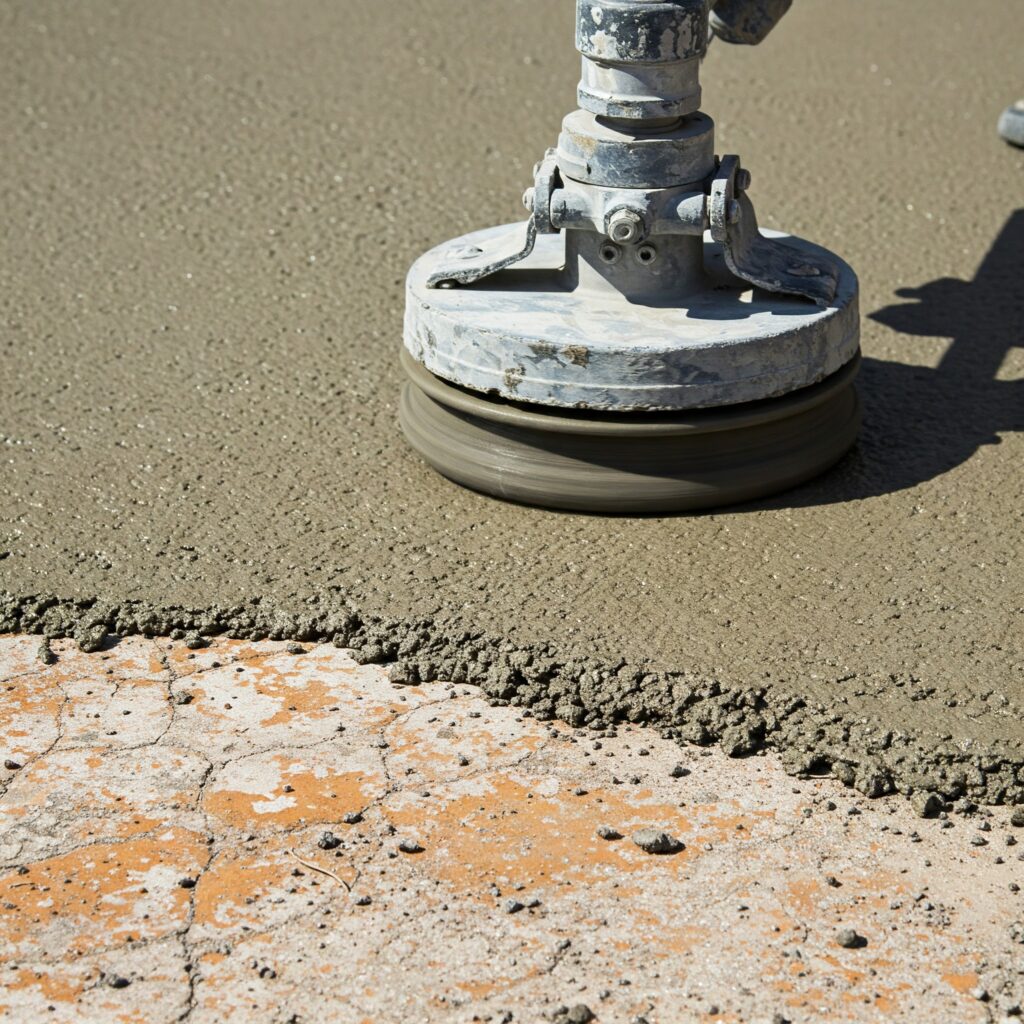
Concrete repair refers to fixing existing concrete by addressing cracks, chips, or other imperfections. These repairs can be minor or extensive, depending on the severity of the damage. On the other hand, concrete resurfacing involves applying a thin layer of fresh concrete to the existing surface. Resurfacing can cover a range of imperfections, such as discoloration or rough textures, and can completely transform the appearance of worn-out concrete.
While these two options are different, they share the same goal: to restore the surface’s functionality and aesthetics without the need for a costly full replacement. Concrete repair and resurfacing can be used on a variety of surfaces, including driveways, patios, walkways, and floors, making them versatile solutions for residential and commercial properties alike.
Types of Concrete Repairs Available
There are several types of concrete repairs that can address specific problems:
1. Crack Filling and Sealing
Cracks are one of the most common issues with concrete. They can result from settling, moisture damage, or even temperature changes. Small cracks can often be filled with a sealant or filler designed to match the surrounding concrete. For larger cracks, a more extensive repair may involve injecting a special bonding agent to strengthen the structure and prevent further damage.
2. Patching
When large chunks of concrete are missing, patching is necessary. Special patching compounds can be mixed to fill in gaps and restore the surface’s integrity. This repair method can be used to fix potholes, crumbling edges, or missing sections of concrete.
3. Joint Repair
Concrete surfaces often have joints designed to control cracking. Over time, these joints can degrade, leading to further damage. Joint repair involves cleaning out old sealants and applying a fresh layer to ensure proper joint function and prevent water infiltration.
4. Concrete Leveling
Uneven concrete is another common issue, especially in driveways and walkways. Concrete leveling, or mudjacking, involves pumping a slurry of cement-based material beneath the slab to lift and level it. This method is effective for fixing sunken or tilted concrete without needing to replace the entire slab.
The Benefits of Concrete Resurfacing
Resurfacing offers numerous benefits for those looking to rejuvenate their concrete surfaces. Here are just a few of the many advantages:
1. Cost-Effective Solution
Replacing an entire concrete surface can be expensive, requiring labor, materials, and disposal fees. Resurfacing is a more affordable option that allows property owners to restore their concrete without breaking the bank. Instead of removing and replacing, resurfacing only requires the application of a new layer, saving time and money.
2. Improved Aesthetics
Over time, concrete can become discolored, stained, or rough. Resurfacing restores the smoothness and consistency of the surface, making it look brand new. Additionally, resurfacing offers the option to add decorative touches, such as coloring, stamping, or texturing, which can significantly improve the visual appeal of your driveway, patio, or sidewalk.
3. Increased Durability
Resurfacing provides a protective layer over your existing concrete, extending its lifespan. It shields the surface from further damage, including weathering, cracking, and staining. This added protection makes resurfacing a valuable long-term investment for your property.
4. Minimal Disruption
Unlike full concrete replacement, resurfacing involves less labor and a shorter turnaround time. Your driveway, patio, or floor can be resurfaced in a matter of hours, and you can resume using the space in just a day or two. This makes resurfacing a less disruptive option for busy homeowners or businesses.
Why Choose Concrete Repair & Resurfacing Over Replacement?
When faced with damaged concrete, property owners often wonder if replacing the surface is the best option. While complete replacement may seem like a straightforward solution, it comes with significant downsides.
1. Higher Costs
The cost of replacing concrete is often much higher than repairing or resurfacing. This is due to the labor-intensive process of removing the old surface, preparing the site, and installing new concrete. On the other hand, repairs and resurfacing involve fewer steps, making them more affordable options.
2. Environmental Impact
Replacing concrete generates waste, as the old material is discarded and replaced with new concrete. This can have a negative environmental impact. Concrete repair and resurfacing are more eco-friendly solutions because they reuse the existing material, minimizing waste and reducing your carbon footprint.
3. Time-Consuming
Concrete replacement can take several days, especially if the surface is large or complex. Resurfacing and repair, however, can often be completed in a fraction of the time, meaning you don’t have to wait long to enjoy your restored surfaces.
Why SD Concrete Services Are the Experts
With years of experience in concrete repair and resurfacing, SD Concrete Services is a trusted provider of cost-effective concrete solutions. The team utilizes the latest equipment and techniques to restore concrete surfaces to their original condition, ensuring that each job is done with precision and care. Whether you’re dealing with minor cracks or significant damage, SD Concrete Services has the expertise to provide lasting, effective solutions that extend the life of your concrete surfaces.
Conclusion
Concrete repair and resurfacing are smart, cost-effective ways to restore the functionality and appearance of your concrete surfaces without the high expense and disruption of full replacement. Whether you need crack filling, patching, or resurfacing, these services can rejuvenate your property and enhance its value. With SD Concrete Services, you can rely on high-quality work that will extend the life of your concrete and improve your property’s curb appeal for years to come.
FAQs
What are the signs that my concrete needs repair?
Signs include visible cracks, uneven surfaces, discoloration, or surface flaking. If your concrete is damaged or showing signs of wear, it’s time for a professional evaluation.
How long does concrete resurfacing last?
Resurfacing typically lasts between 5 to 10 years, depending on the type of traffic and weather conditions the surface is exposed to. Proper maintenance can extend its lifespan.
Can I resurface concrete myself, or should I hire a professional?
While DIY resurfacing kits are available, it’s recommended to hire a professional to ensure proper application. Professionals use the right tools and techniques for a flawless, long-lasting result.