
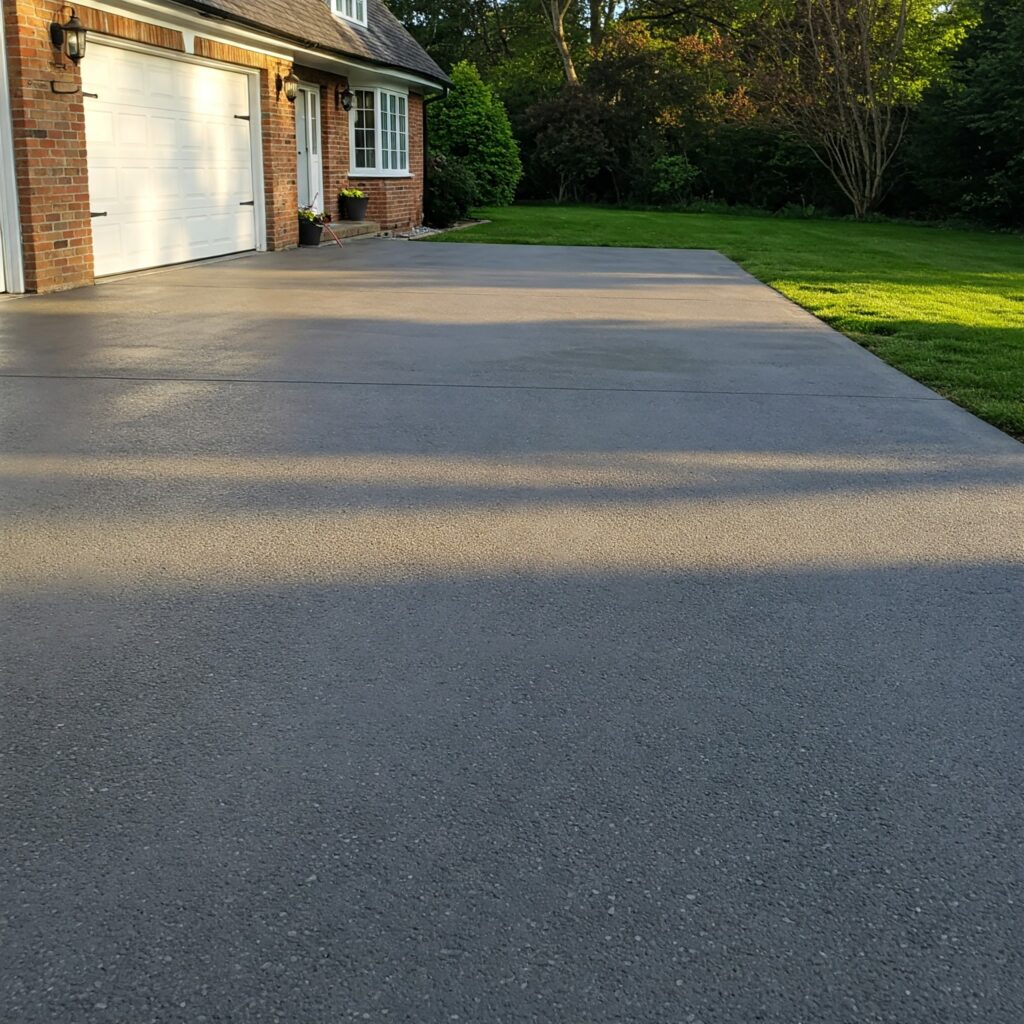
When it comes to choosing the right material for a new driveway, homeowners often find themselves caught between two popular options: concrete and asphalt. Both materials are durable and functional, but they offer distinct advantages and drawbacks that can impact your decision. Understanding the differences in terms of cost, maintenance, durability, and aesthetics can help guide your choice. Whether you’re replacing an existing driveway or installing a new one, the right decision can provide lasting value for your home. Let’s take a closer look at the key considerations when comparing concrete and asphalt driveways.
Durability: Which Material Holds Up Better?
The longevity of your driveway is one of the most important factors to consider when making a decision between concrete and asphalt. Both materials are built to last, but their durability varies based on environmental conditions and the level of maintenance they receive.
Concrete Driveways
Concrete is widely known for its durability and ability to withstand the test of time. It is highly resistant to cracking and weather-related damage, particularly in colder climates where freeze-thaw cycles can wreak havoc on surfaces. When installed correctly, concrete can last 30 years or more. However, concrete driveways are prone to cracking if not properly maintained, especially in areas that experience extreme temperature fluctuations.
Asphalt Driveways
Asphalt, while durable, is more susceptible to damage from extreme weather conditions, especially heat and UV exposure. Over time, asphalt can soften and start to degrade. Asphalt driveways typically last around 20 years, though they may require more frequent repairs than concrete to maintain their integrity. They are prone to cracking, especially under heavy vehicle traffic, but these cracks are easier and cheaper to repair than those in concrete.
Cost: Which Is More Budget-Friendly?
Cost is often a significant factor in deciding between concrete and asphalt for your driveway. While both materials offer a good return on investment, they vary in initial cost and long-term expenses.
Concrete Driveways
Concrete tends to be more expensive than asphalt upfront. The cost of installation for concrete can be higher due to the materials, preparation, and labor required. Concrete driveways typically cost $6 to $12 per square foot, depending on the complexity of the installation. However, concrete’s long lifespan and minimal maintenance costs can offset the higher initial investment over time.
Asphalt Driveways
Asphalt driveways are generally more affordable to install than concrete. The cost of an asphalt driveway typically ranges from $3 to $7 per square foot, making it a more budget-friendly option for homeowners looking to keep costs low. While the initial expense is lower, it’s important to keep in mind that asphalt may require more frequent maintenance and repairs, which could increase long-term costs.
Maintenance: How Much Care Do You Need?
Both concrete and asphalt driveways require maintenance to keep them in good condition. However, the amount of time, effort, and money you’ll need to invest varies significantly between the two.
Concrete Driveways
Concrete driveways are relatively low-maintenance once they are installed. However, they do require occasional sealing to protect against moisture, staining, and surface damage. In climates where freezing and thawing occur, concrete should be sealed every few years to prevent cracks from forming. Additionally, oil stains and cracks can be difficult to repair. Small cracks can be filled with a concrete patch, but larger damage may require professional resurfacing.
Asphalt Driveways
Asphalt driveways require more maintenance than concrete, primarily due to their tendency to crack and wear over time. Regular sealing is necessary to protect the asphalt from the sun’s UV rays, rain, and snow, as well as prevent cracks from forming. Sealcoating is recommended every two to three years to maintain the asphalt’s protective layer. Additionally, asphalt driveways may need patching and crack filling more frequently than concrete to keep them looking smooth and functional.
Aesthetic Options: Which Material Looks Better?
The visual appeal of your driveway can significantly impact your home’s curb appeal. Both concrete and asphalt offer a range of options, though concrete is generally more customizable.
Concrete Driveways
Concrete offers a variety of aesthetic options. It can be stamped, stained, or textured to mimic the appearance of more expensive materials like brick, stone, or tile. This level of customization allows homeowners to match their driveway with the design of their home, creating a sophisticated, polished look. Concrete also offers a variety of colors, giving homeowners flexibility in their choice of style.
Asphalt Driveways
Asphalt, on the other hand, has a more utilitarian appearance. It typically comes in one color—black—though it can be tinted in some cases. While asphalt driveways are functional and clean-looking, they don’t offer the same level of design versatility as concrete. Asphalt works well for homeowners looking for a simple, straightforward look but may not be the best choice for those seeking a more decorative or high-end appearance.
Climate Considerations: Which Material Performs Better in Different Conditions?
When deciding between concrete and asphalt, consider the climate in your region. The local weather conditions can influence the performance and lifespan of both materials.
Concrete Driveways
Concrete performs best in moderate climates. While it is durable and can withstand cold temperatures, freeze-thaw cycles can cause concrete to crack if not properly sealed. Concrete is also more resistant to the heat, making it a good choice for areas with high temperatures. However, in areas with heavy snow or rain, concrete can be vulnerable to erosion and staining if not properly maintained.
Asphalt Driveways
Asphalt is more suited for colder climates, where the material’s flexibility helps it withstand freezing and thawing. However, extreme heat can soften the asphalt, leading to ruts and damage under heavy traffic. Asphalt also absorbs more heat than concrete, which can cause the surface to become quite hot during the summer months. In areas with heavy rainfall, asphalt’s water-resistant properties are beneficial, but it still needs regular sealing to protect from the elements.
Conclusion
Both concrete and asphalt offer unique advantages depending on your specific needs. Concrete is known for its durability and aesthetic options, making it a great choice for homeowners looking for a long-lasting, customizable driveway. On the other hand, asphalt is more affordable and requires less initial investment, though it demands more frequent maintenance to maintain its appearance and functionality.
When deciding between these two materials, consider your budget, climate, aesthetic preferences, and willingness to maintain the surface. Regardless of which material you choose, SD Concrete Services can help guide you through the decision-making process and install the best driveway solution for your property.
FAQs
What are the main differences between concrete and asphalt driveways?
Concrete driveways are durable, customizable, and require less frequent maintenance, but they are more expensive to install. Asphalt driveways are more affordable but require more regular maintenance and may not last as long.
Which material is more durable?
Concrete is generally more durable and can last longer than asphalt, especially in areas with extreme temperatures. Asphalt, while durable, may require more frequent repairs and sealcoating.
How much maintenance do concrete and asphalt driveways require?
Concrete requires occasional sealing and crack repairs, while asphalt needs regular sealing every 2-3 years and more frequent crack filling and patching to maintain its appearance and integrity.