
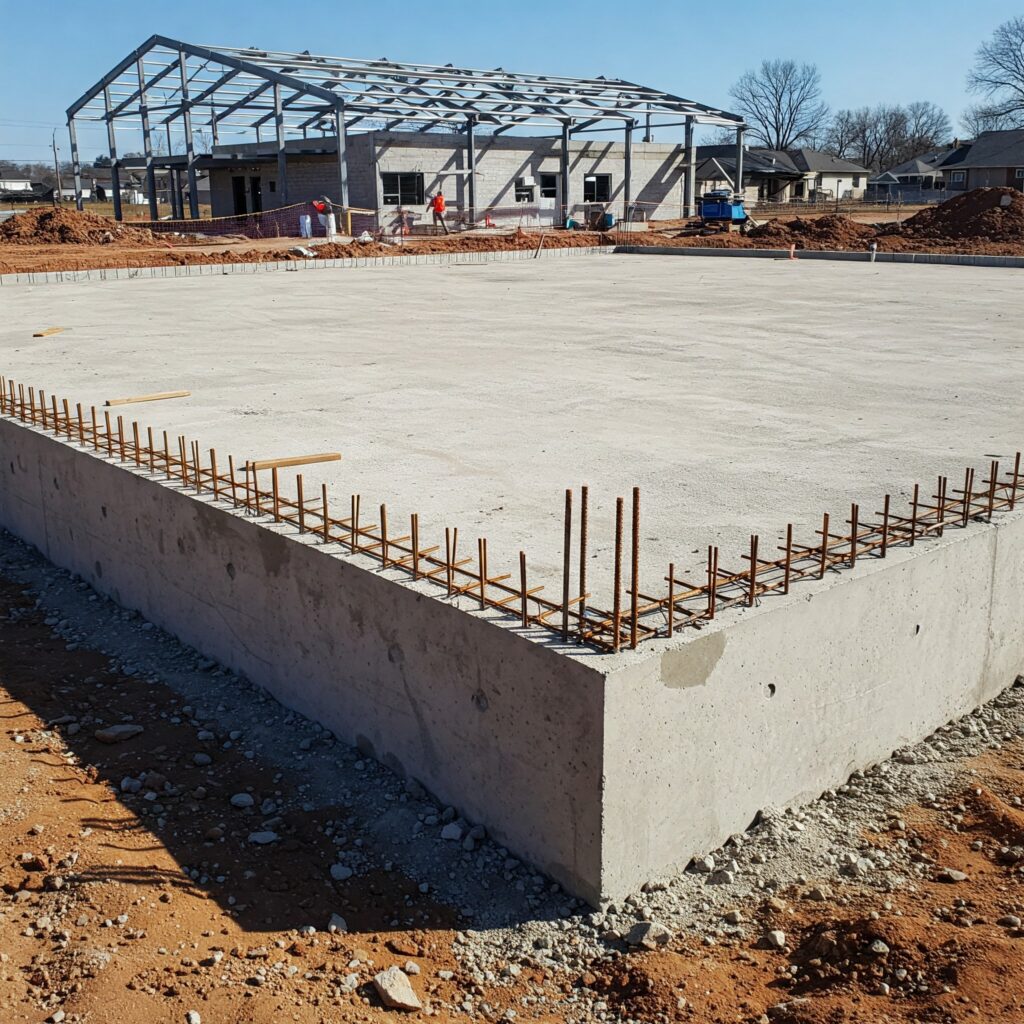
When constructing or maintaining any building, the importance of a solid foundation cannot be overstated. A concrete foundation is the bedrock of the structure, ensuring stability, durability, and longevity. Whether you’re building a residential home, a commercial property, or undertaking a renovation, the foundation plays a critical role in supporting the entire structure. This blog will explore how concrete foundations contribute to the strength and security of your property, providing insight into their importance, maintenance, and the long-term benefits they offer.
The Role of a Concrete Foundation in Property Stability
A concrete foundation serves as the essential base that supports the weight of the entire structure above. It is the first part of the construction process and provides the necessary stability for everything that comes afterward. Without a solid foundation, even the most carefully designed and built buildings are at risk of structural issues.
Concrete foundations are designed to evenly distribute the weight of the building, ensuring that pressure is applied across a broad area. This prevents localized stress, which could lead to cracking or uneven settling. A properly installed foundation prevents movement in the structure, ensuring walls, floors, and ceilings remain level and intact.
Furthermore, a concrete foundation creates a barrier against water, moisture, and pests, helping to protect the structure from environmental damage. This makes concrete an ideal material for foundations, particularly in areas with high water tables or frequent weather-related challenges.
Durability and Longevity: The Benefits of Concrete
One of the most appealing characteristics of concrete is its exceptional durability. Concrete is renowned for its ability to withstand the test of time, and when used in foundation construction, it provides long-term reliability and security for your property.
1. Resistant to Environmental Stressors
Concrete foundations are highly resistant to environmental factors such as moisture, extreme temperatures, and shifting soil conditions. Concrete is less likely to crack or erode when exposed to heavy rain, high humidity, or freeze-thaw cycles. This makes concrete the ideal choice for properties located in climates where weather conditions can fluctuate dramatically.
2. Longevity
Concrete foundations can last for decades, often well over 50 years, with proper maintenance. This longevity ensures that the initial investment in a high-quality concrete foundation pays off over time. Unlike other materials that may need frequent repairs or replacement, concrete foundations maintain their strength and function over an extended period, adding significant value to the property.
3. Strength and Load-Bearing Capacity
Concrete is a naturally strong material capable of supporting heavy loads without compromising its structural integrity. This makes it an excellent choice for both residential and commercial properties. Whether supporting the weight of a single-family home or a multi-story commercial building, concrete foundations provide the necessary strength to handle varying weight loads, ensuring stability and safety.
Proper Installation: The Key to Foundation Success
While concrete is a highly durable and reliable material, the way it is installed is just as important as the material itself. Proper installation techniques are critical to ensuring that the foundation performs well over the life of the property. Here are a few key aspects of foundation installation that contribute to long-term stability:
1. Soil Assessment
Before the concrete is poured, a thorough soil assessment must be conducted. The soil’s stability, moisture content, and composition all affect the foundation’s performance. If the soil is not adequately prepared or if improper backfilling occurs, it can lead to uneven settling or shifting over time. Ensuring that the soil is properly compacted and stable helps to mitigate future foundation issues.
2. Reinforcement
Concrete alone, while strong, can sometimes be vulnerable to cracking under stress. To combat this, reinforcement materials such as steel rebar or mesh are often embedded within the concrete during installation. This reinforcement improves the foundation’s tensile strength and ensures that it can withstand forces that might otherwise cause it to crack or shift.
3. Curing Time
Concrete requires time to cure and achieve its maximum strength. The curing process allows the chemical reactions that make concrete strong to fully take place. Rushing this process or exposing the concrete to extreme weather conditions too soon can lead to premature cracking or weakened foundation strength.
Maintenance: Ensuring Longevity and Avoiding Problems
Even though concrete foundations are designed to last for decades, periodic maintenance is essential to prevent potential issues. A small crack, if left unaddressed, can lead to more serious structural damage over time. Here are some maintenance tips to ensure the longevity of your foundation:
1. Seal Cracks Promptly
Cracks in the concrete can develop over time, often due to settling or temperature fluctuations. While small cracks are common, they should be sealed as soon as they are noticed to prevent moisture or pests from entering. Left untreated, cracks can widen, leading to more significant damage to the foundation and the overall structure.
2. Maintain Proper Drainage
Water accumulation around the foundation is one of the most common causes of foundation issues. Ensure that gutters and downspouts are clear and functioning properly to direct water away from the foundation. Additionally, grading the landscape around the building to encourage water to flow away from the structure can help prevent water damage to the foundation.
3. Inspect Regularly
Regular inspections by a professional are key to identifying potential problems before they become severe. A foundation expert can check for early signs of settling, cracking, or moisture intrusion and recommend necessary repairs before these issues lead to more significant structural damage.
Why SD Concrete Services Are the Experts
With years of experience in concrete foundation installation and repair, SD Concrete Services is well-equipped to handle all aspects of foundation construction. From the initial site assessment to the final pour, their team ensures that every foundation is built to withstand the test of time. They use high-quality materials and state-of-the-art techniques to ensure that your property is supported by a durable, stable foundation.
Conclusion
Investing in a quality concrete foundation is one of the most important decisions you can make when building or renovating a property. The foundation not only supports the structure but also ensures its safety, stability, and longevity. By choosing a well-constructed concrete foundation, you are securing your investment for the long term. With SD Concrete Services, you can trust that your foundation will be built to last, giving you peace of mind and ensuring the lasting strength of your property.
FAQs
How long do concrete foundations last?
Concrete foundations can last 50 years or more with proper maintenance. Their longevity depends on factors like installation quality and ongoing care.
What are the signs of foundation problems?
Signs of foundation issues include visible cracks, uneven floors, doors or windows that don’t close properly, and water seepage around the base of the building.
Can I build on a damaged foundation, or do I need repairs?
It is generally not advisable to build on a damaged foundation. Foundation issues should be addressed immediately to prevent further damage to the structure. Professional repairs may be necessary before continuing construction.